01 / Geological family
Origin and composition
- Geological family
- Sedimentary
- Origin and composition
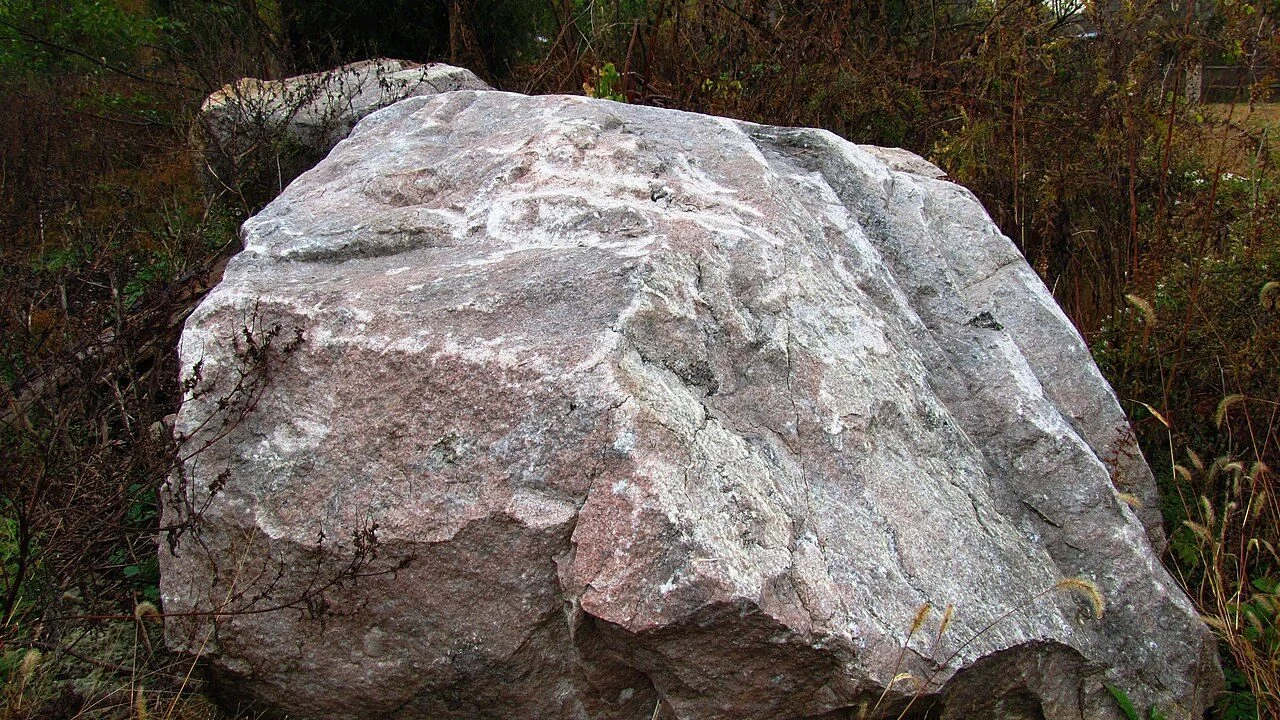
- Fossiliferous reef limestone, not metamorphic marble
- Origin
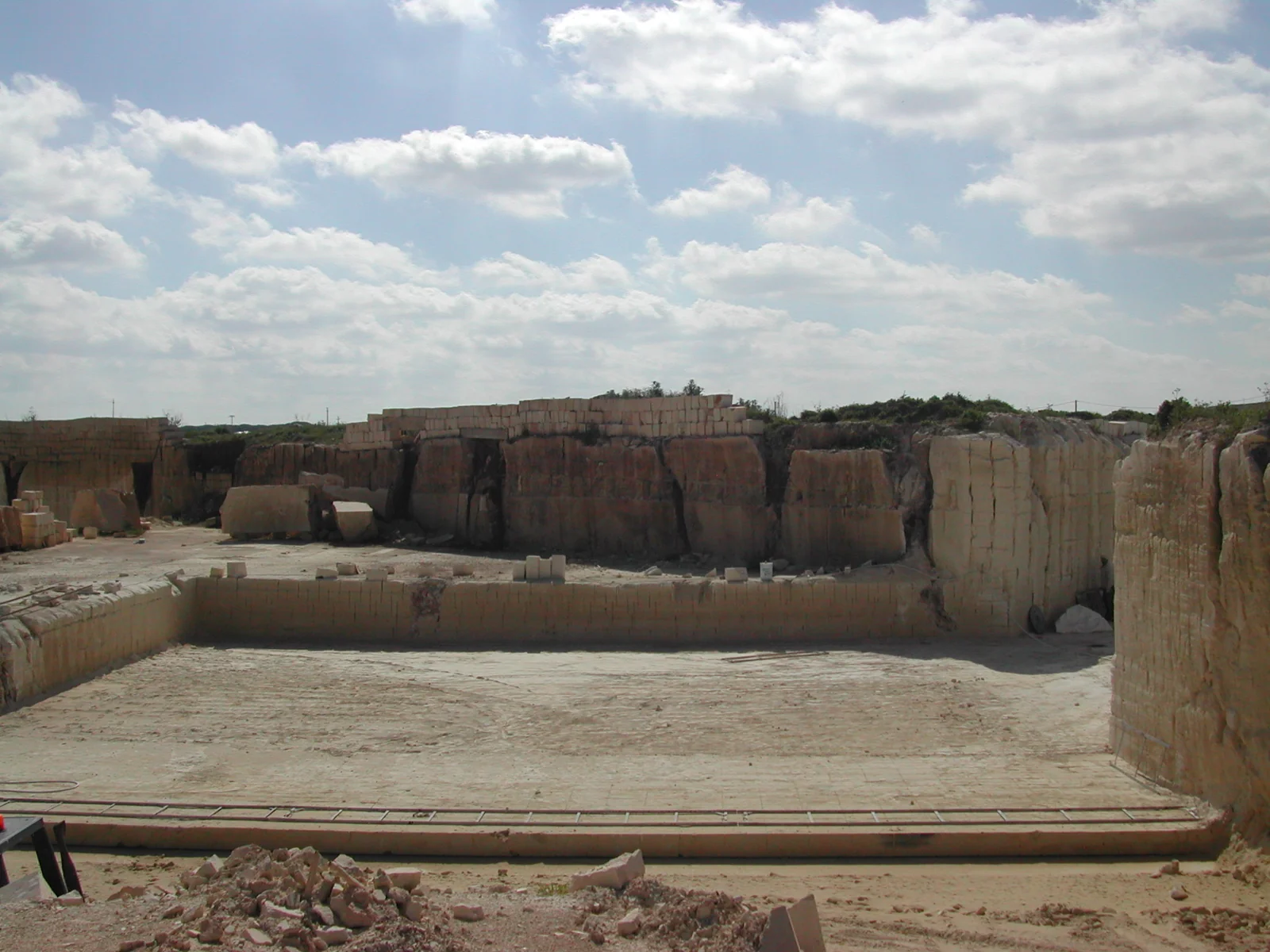
- Eastern Tennessee, United States
- Appearance and identification
- White to red, capable of taking a polish
Sedimentary rocks form through accumulation, compaction and cementation of sediments, or precipitation of minerals. Sandstones, limestones and travertines belong to this broad family but have different compositions and structures. Visible bedding can influence slab design and cutting direction. Selection calls for attention to pores, cement, discontinuities and the specific product rather than assuming that every member behaves like one familiar stone.
02 / History and curiosities
History and curiosities
It was used in Washington’s National Gallery of Art and in many North American buildings.
03 / Applications and design
Applications and design
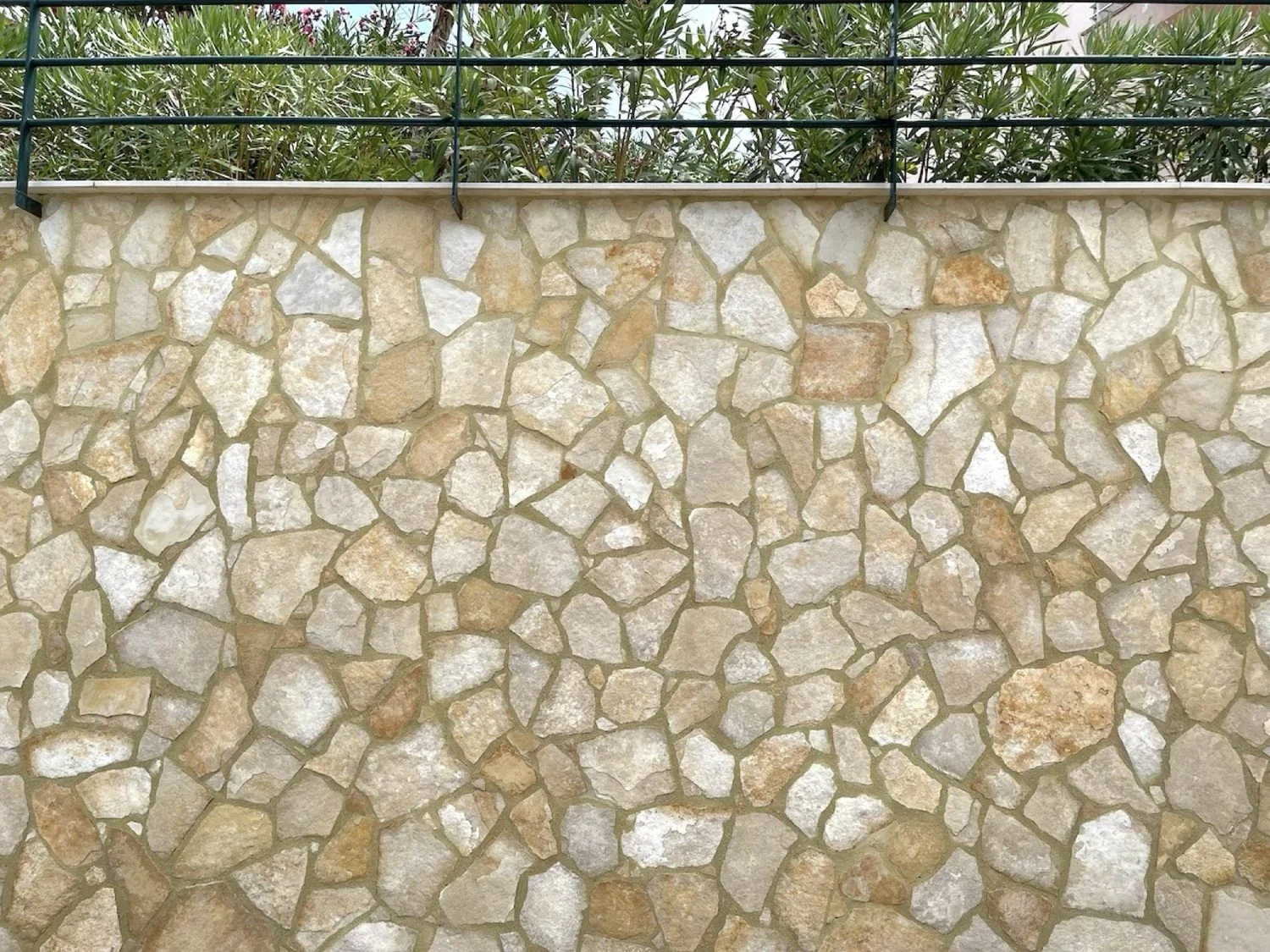
Documented uses include walls, floors, sculpture and interior and exterior cladding.
Finishes and processes ↗04 / Technical interpretation
What to ask your supplier
Keep the commercial name marble distinct from the geological identification as limestone.
05 / Care and maintenance
Care and maintenance
Remove dust and grit with soft tools, wash with a compatible neutral cleaner, then rinse and dry. Identify composition before using stain or scale removers: carbonate stones are acid-sensitive. Test every treatment in an inconspicuous area. An impregnator can reduce absorption but does not make a material waterproof or stain-proof.
Thoughtful cleaning, protection and maintenance ↗07 / Sources and further reading