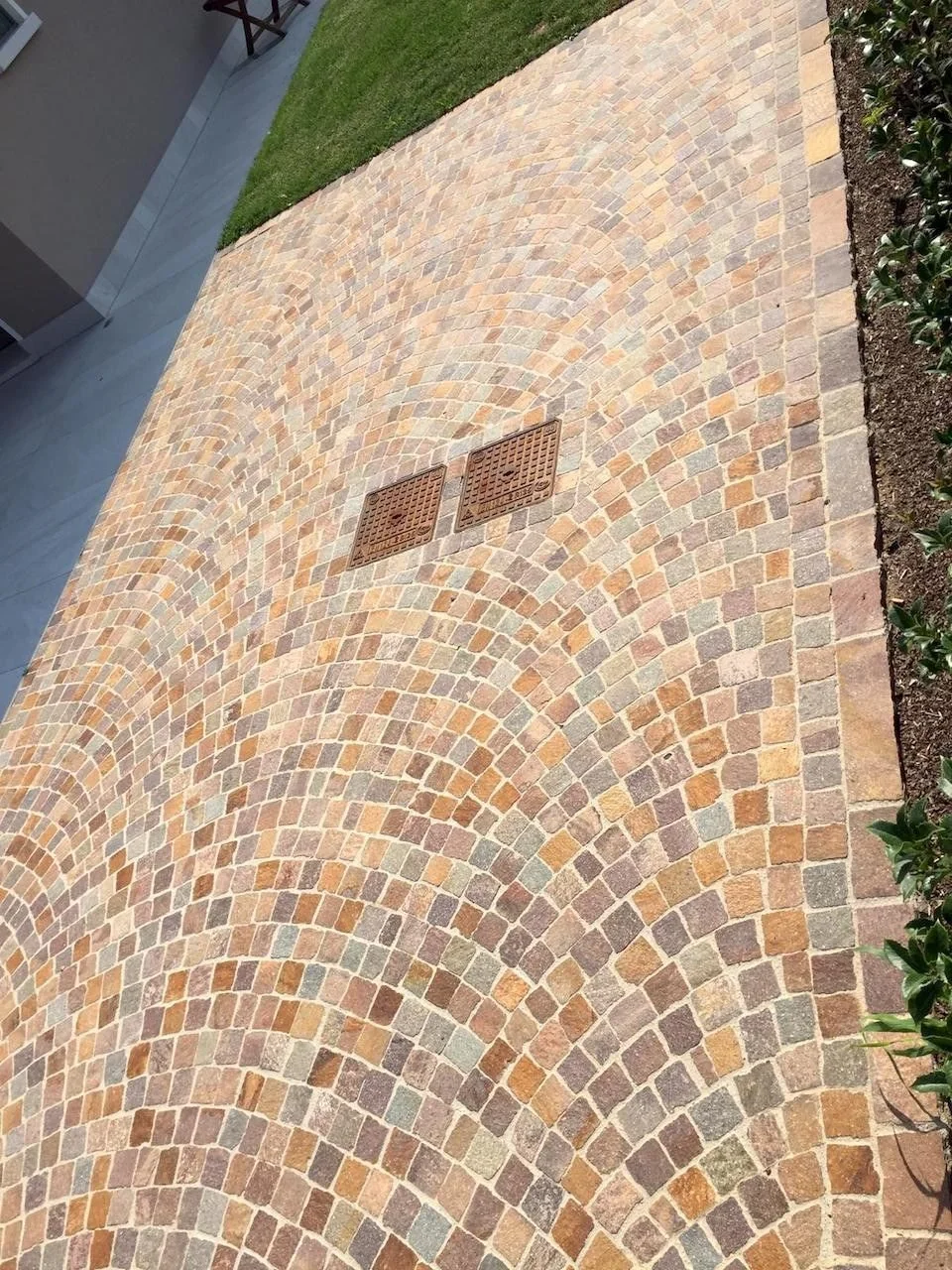
01 / Geological family
Origin and composition
- Geological family
- Igneous
- Origin and composition
- Flood basalt, predominantly tholeiitic
- Origin
- West-central India
- Appearance and identification
- Grey-black in massive types, also reddish brown
Igneous rocks form when molten material solidifies. Cooling underground can produce visible crystals, as in granite; cooling at the surface can produce fine grains, cavities or porphyritic textures. Basalt, granite and many porphyries illustrate different compositions and structures. The commercial term granite can also include other geological rock types: a specification benefits from both the trade name and petrographic description.
02 / History and curiosities
History and curiosities
The rock-cut temples of Ajanta, Ellora and Elephanta demonstrate a long tradition of working these volcanic rocks.
03 / Applications and design
Applications and design
Building blocks, flooring, crafted objects and sculpture are documented uses.
Finishes and processes ↗04 / Technical interpretation
What to ask your supplier
Do not equate compact basalt with highly vesicular lava; check porosity, defects and product characteristics.
05 / Care and maintenance
Care and maintenance
Remove dust and grit with soft tools, wash with a compatible neutral cleaner, then rinse and dry. Identify composition before using stain or scale removers: carbonate stones are acid-sensitive. Test every treatment in an inconspicuous area. An impregnator can reduce absorption but does not make a material waterproof or stain-proof.
Thoughtful cleaning, protection and maintenance ↗06 / Photograph
Photo gallery
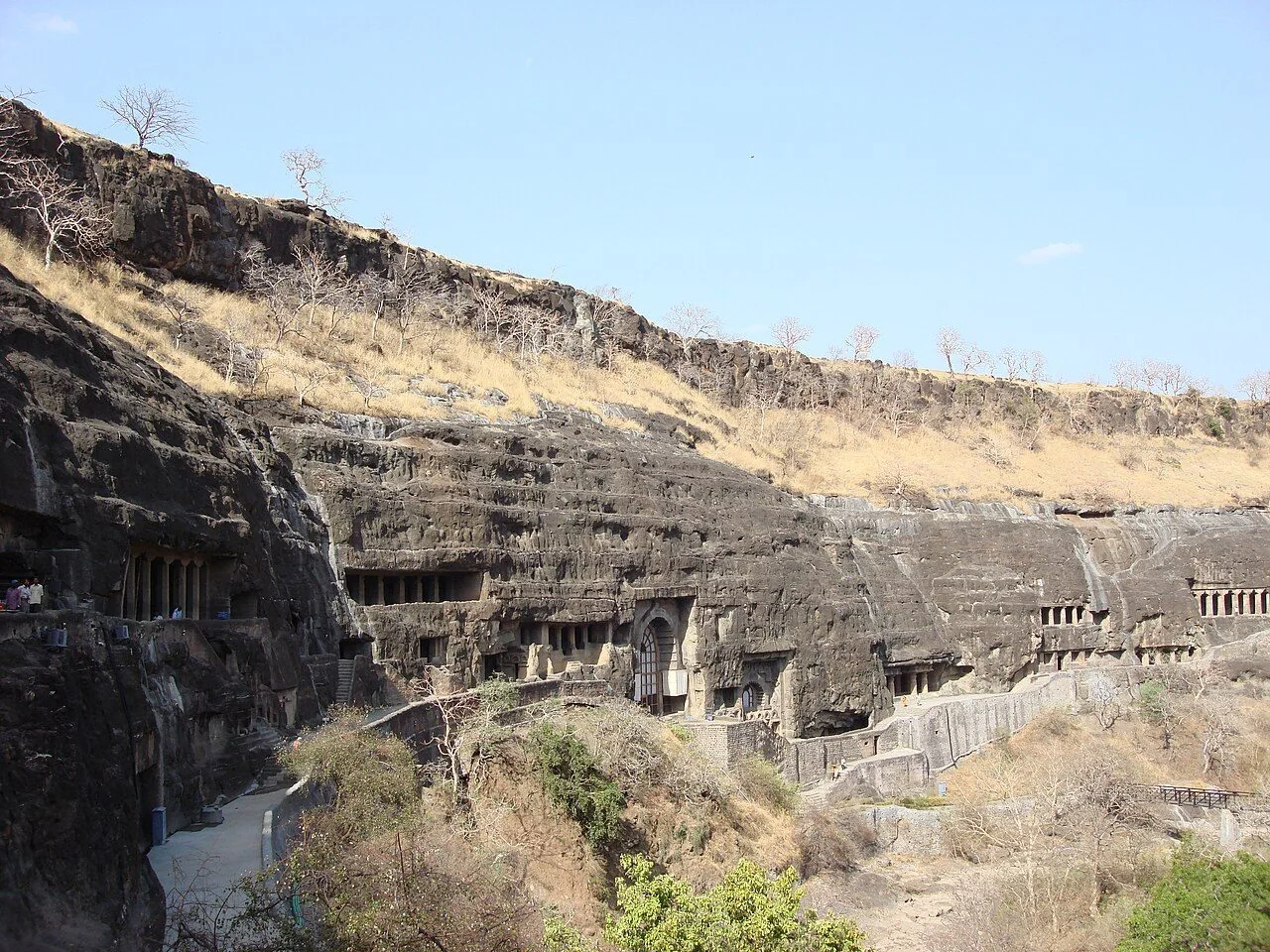
Photographic example: appearance and colour vary with quarry, batch, light and finish.
07 / Sources and further reading