01 / Geological family
Origin and composition
- Geological family
- Igneous
- Origin and composition
- Monzogranite
- Origin
- Sierra de Guadarrama, Madrid, Spain
- Appearance and identification
- Grey with modest tonal variation
Igneous rocks form when molten material solidifies. Cooling underground can produce visible crystals, as in granite; cooling at the surface can produce fine grains, cavities or porphyritic textures. Basalt, granite and many porphyries illustrate different compositions and structures. The commercial term granite can also include other geological rock types: a specification benefits from both the trade name and petrographic description.
02 / History and curiosities
History and curiosities
Madrid’s Royal Palace and Puerta de Alcalá demonstrate its importance to the capital’s architecture.
03 / Applications and design
Applications and design
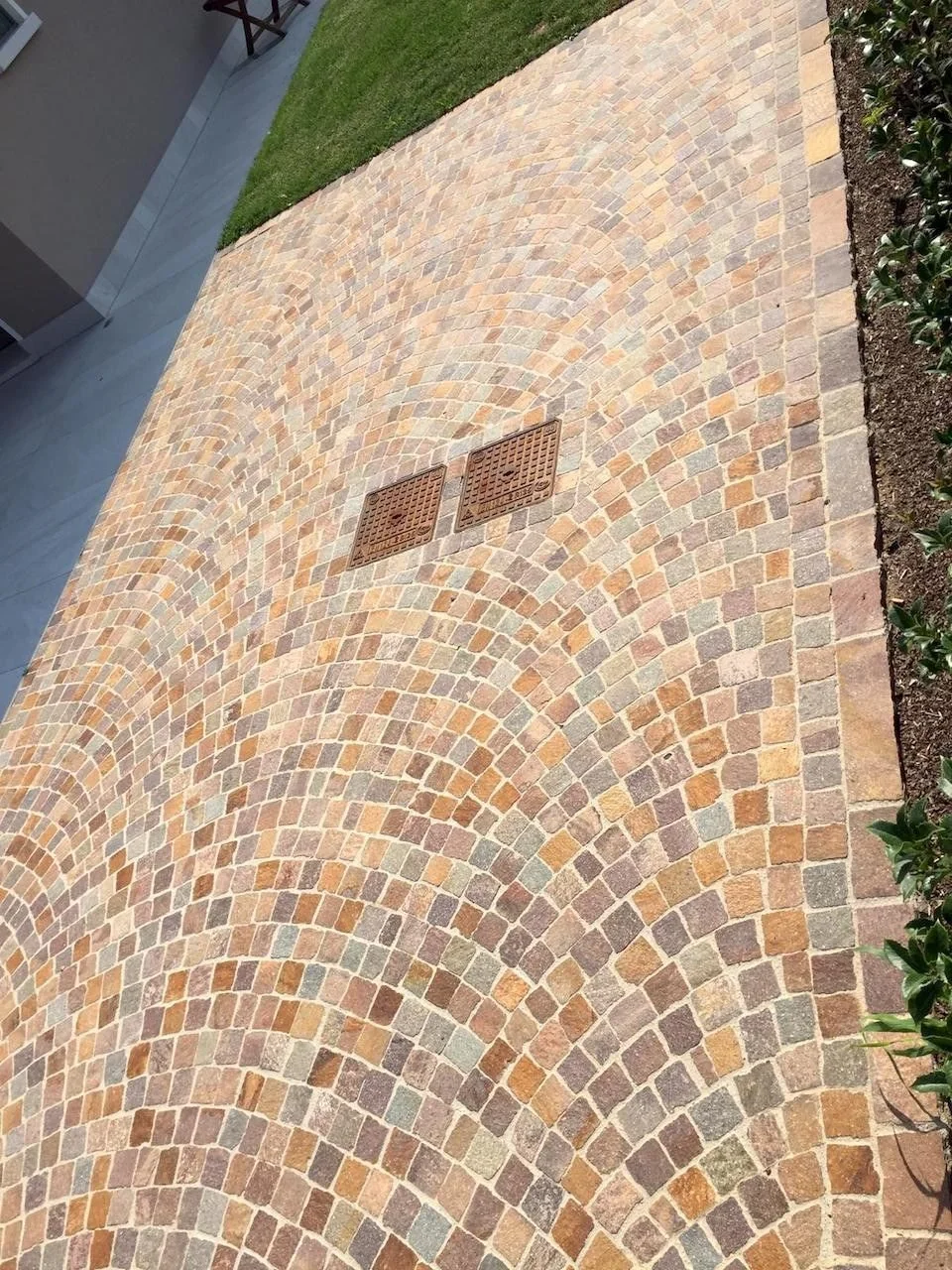
It is used for building blocks, paving, carved elements and urban furniture.
Finishes and processes ↗04 / Technical interpretation
What to ask your supplier
For walking surfaces, check slip resistance for the selected finish; granite composition alone does not establish it.
05 / Care and maintenance
Care and maintenance
Remove dust and grit with soft tools, wash with a compatible neutral cleaner, then rinse and dry. Identify composition before using stain or scale removers: carbonate stones are acid-sensitive. Test every treatment in an inconspicuous area. An impregnator can reduce absorption but does not make a material waterproof or stain-proof.
Thoughtful cleaning, protection and maintenance ↗07 / Sources and further reading